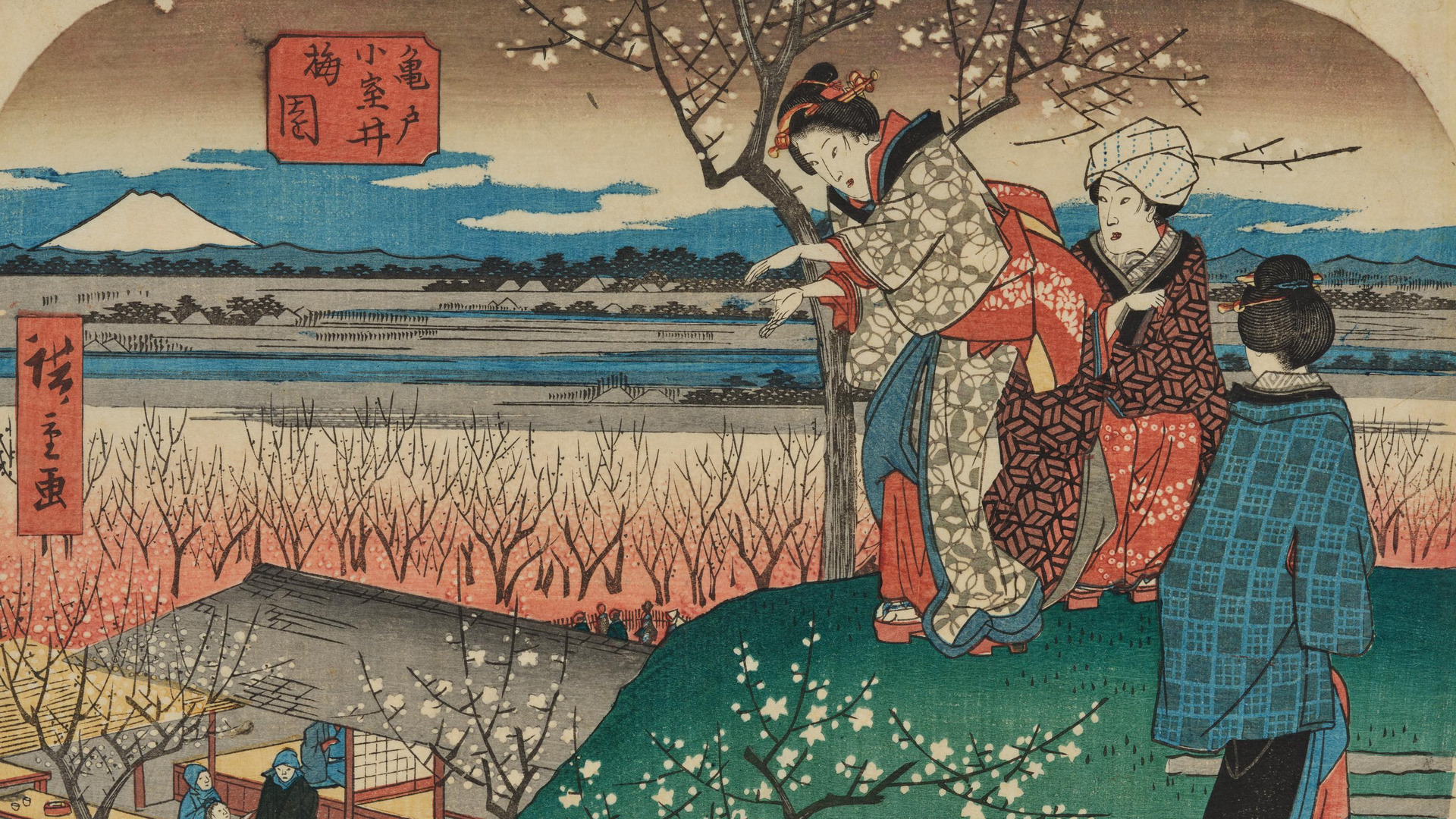
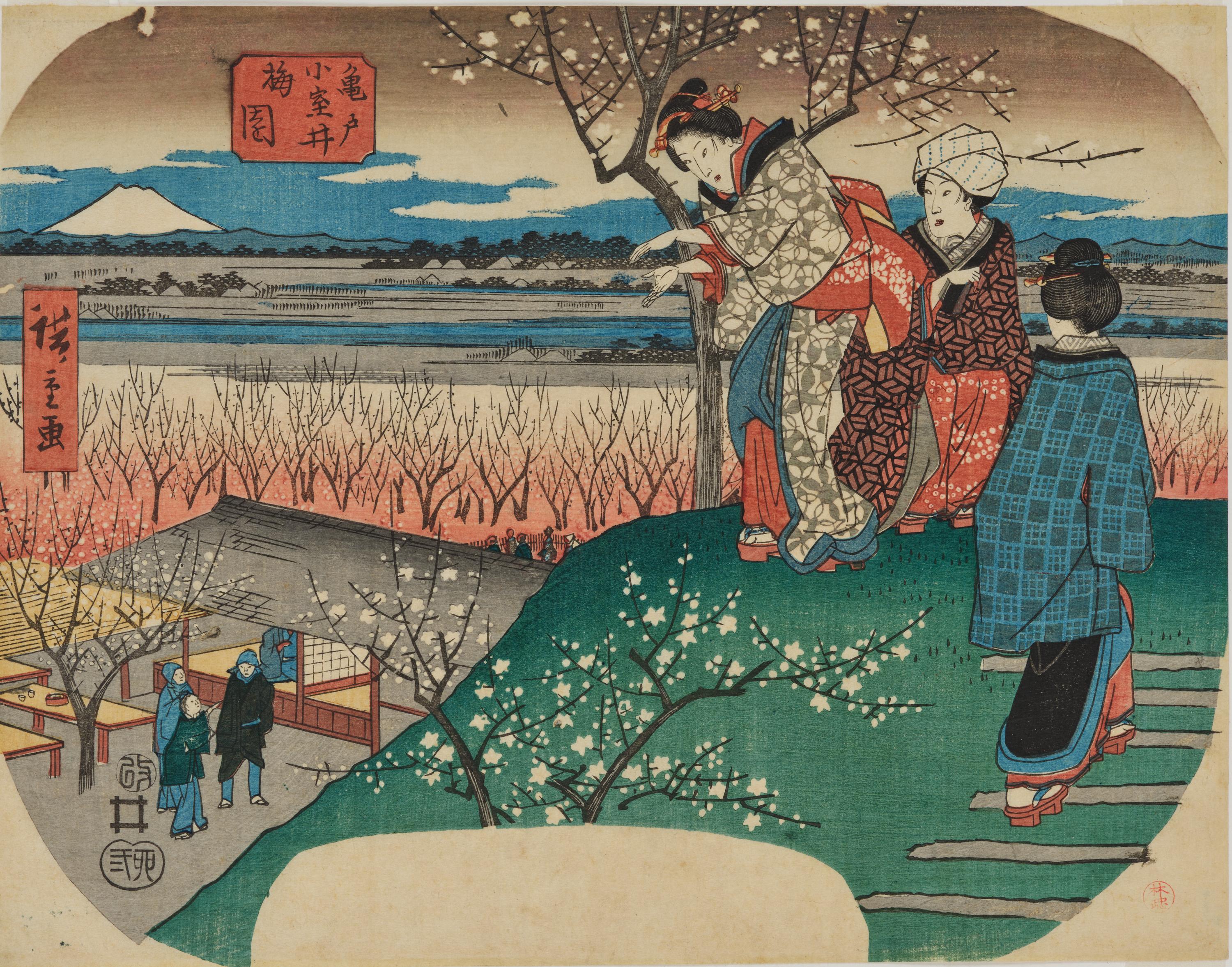
1. Plum Garden at Kameido — Utagawa Hiroshige
 Desktop · 16:9
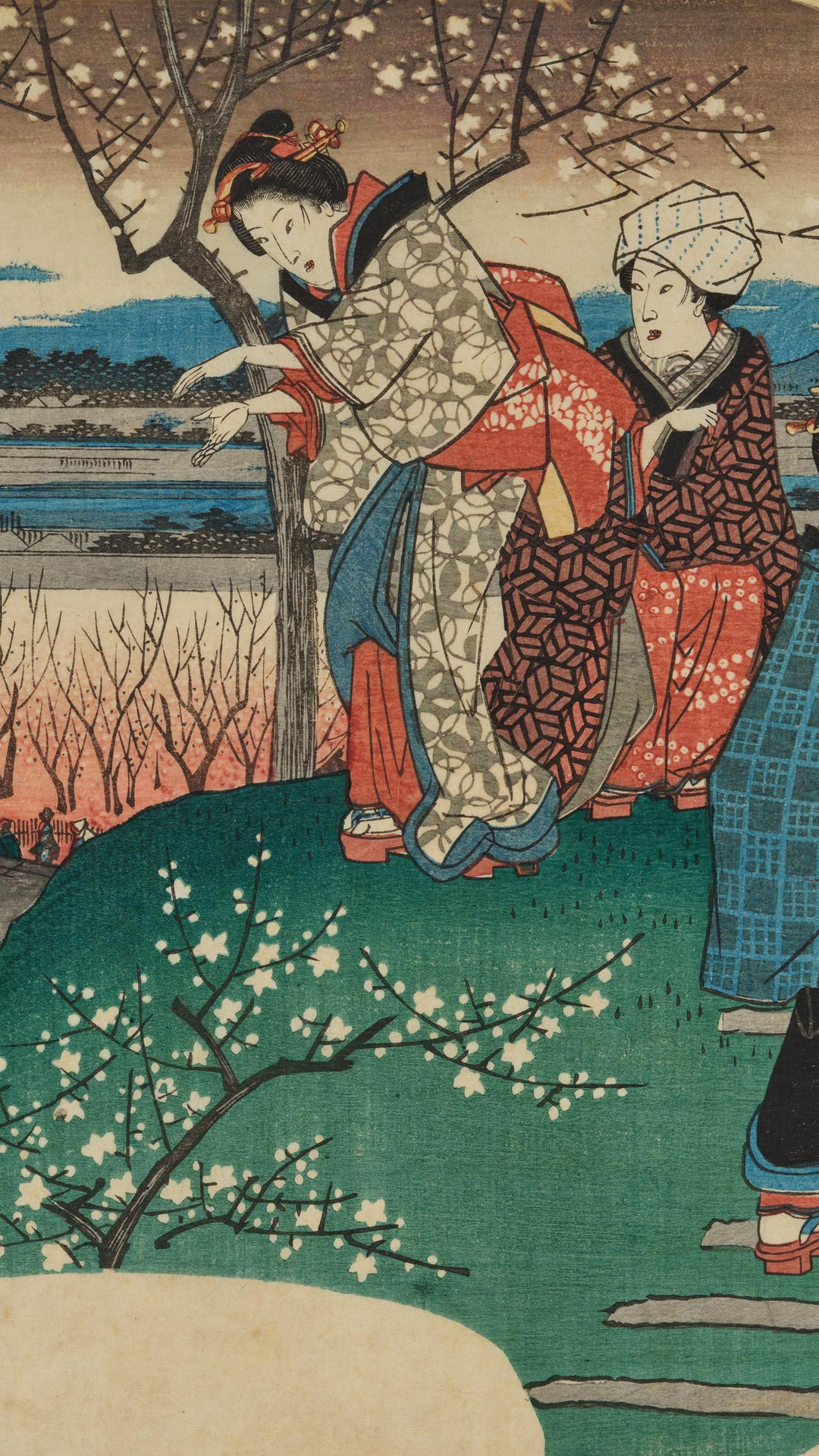
 Smartphone · 9:16
Download the full artwork (3000 × 2355 px, 1.4 MB)
Image credit: Tokyo National Museum. Source: ColBase (https://colbase.nich.go.jp/). Wallpapers created by HIROSHIGE BLUE based on “ColBase” (https://colbase.nich.go.jp/collection_items/tnm/A-10569-3001).
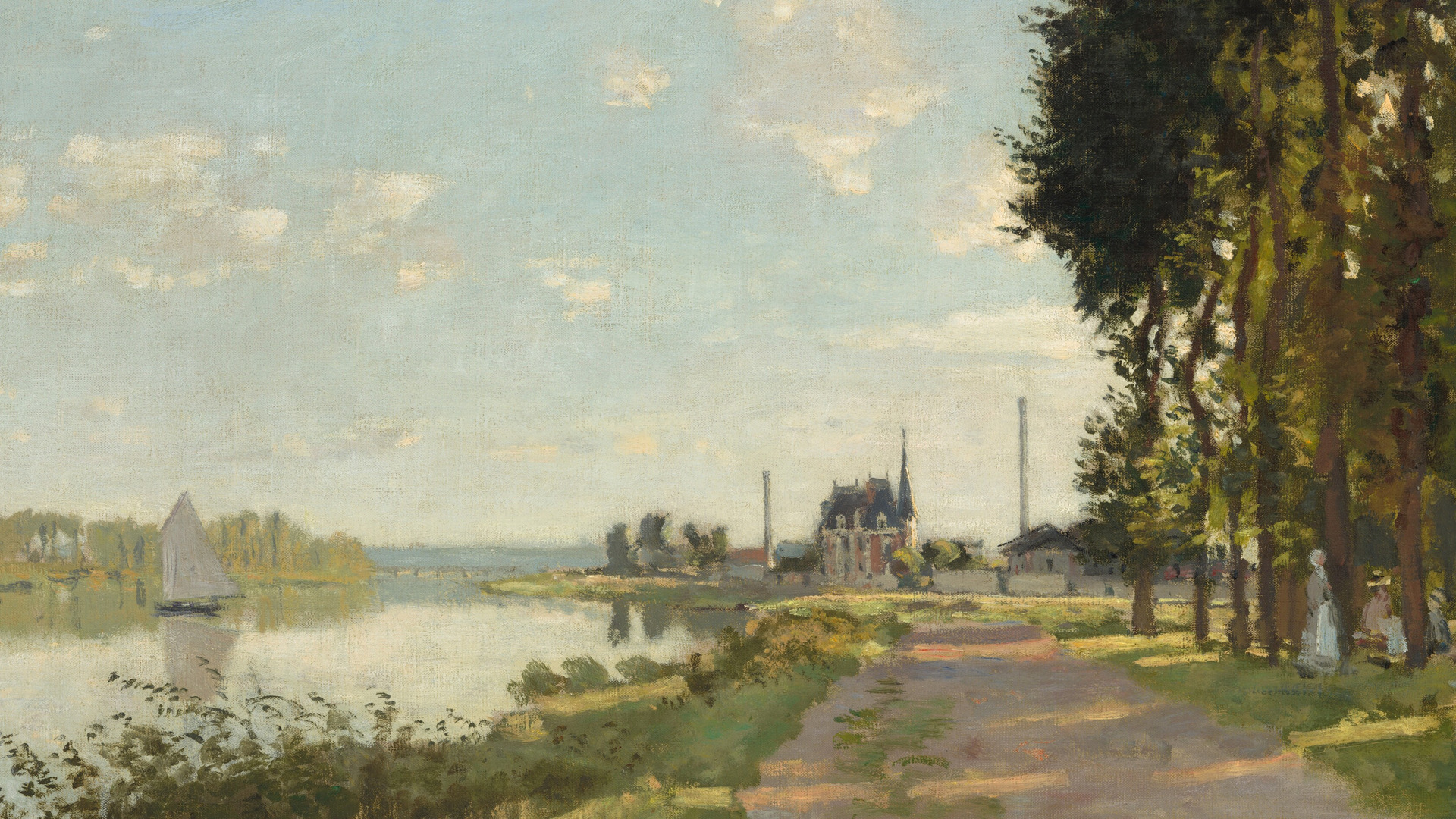
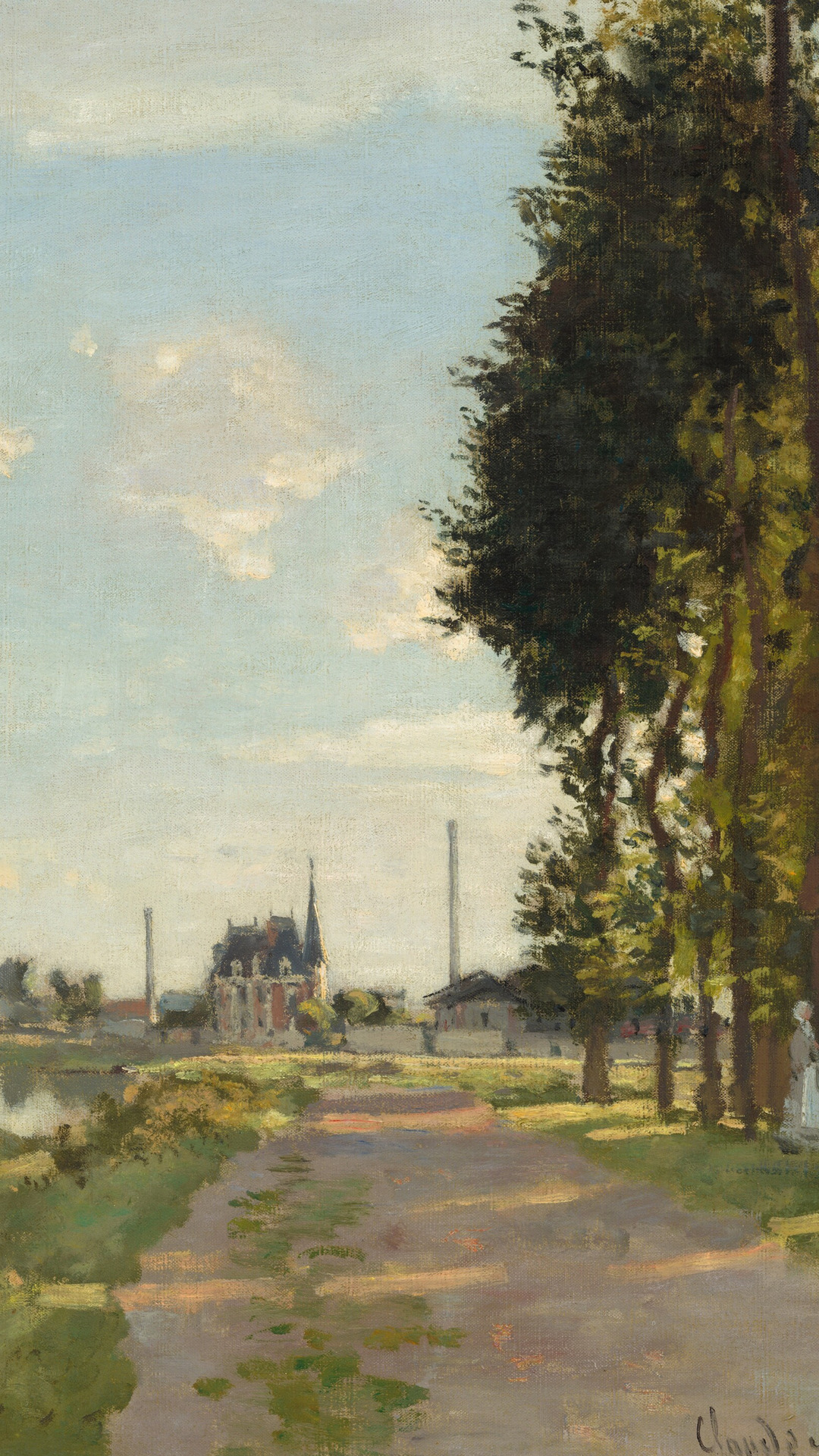
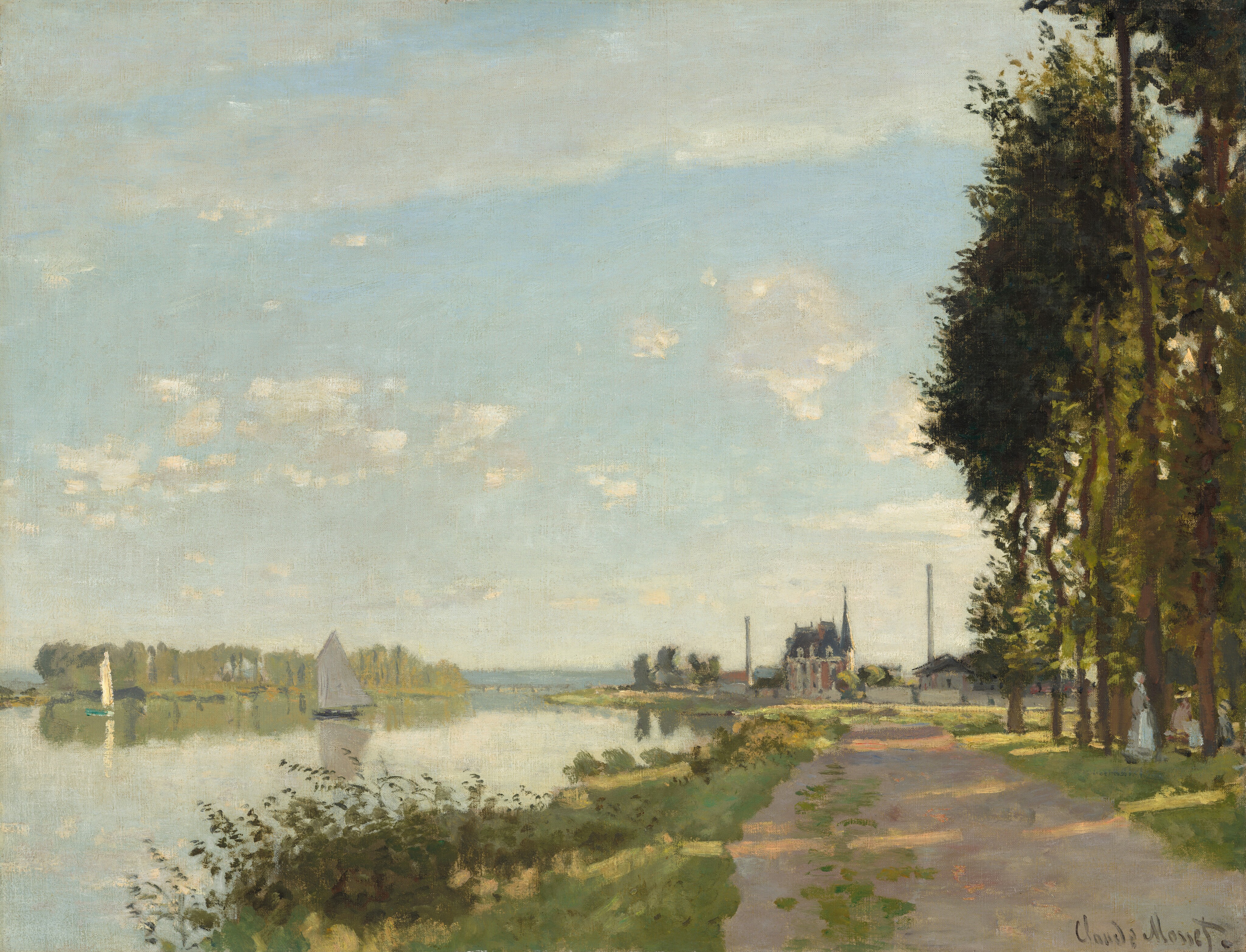
2. Argenteuil — Claude Monet
 Desktop · 16:9
 Smartphone · 9:16
Download the full artwork (4096 × 3131 px, 3.9 MB)
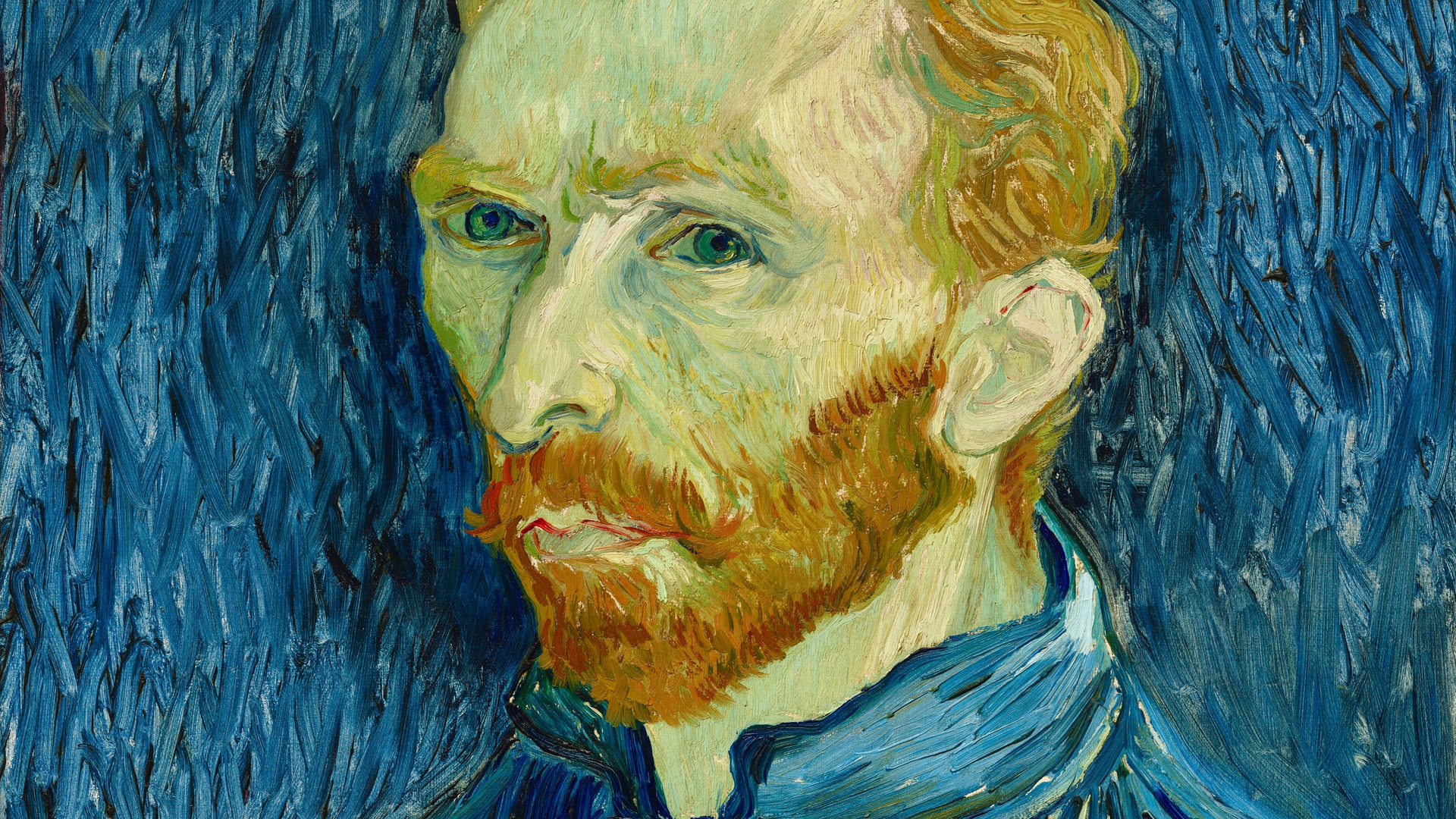
3. Self-Portrait — Vincent van Gogh
 Desktop · 16:9
 Smartphone · 9:16
Download the full artwork (3142 × 4096 px, 6.4 MB)
About the Works
Three public-domain masterpieces as free wallpapers for your desktop (16:9, 1920 × 1080) and smartphone (9:16, 1080 × 1920): Plum Garden at Kameido by Utagawa Hiroshige, Argenteuil by Claude Monet, Self-Portrait by Vincent van Gogh. Each comes with the full original image, a short note on the work, and its collection, source and license.
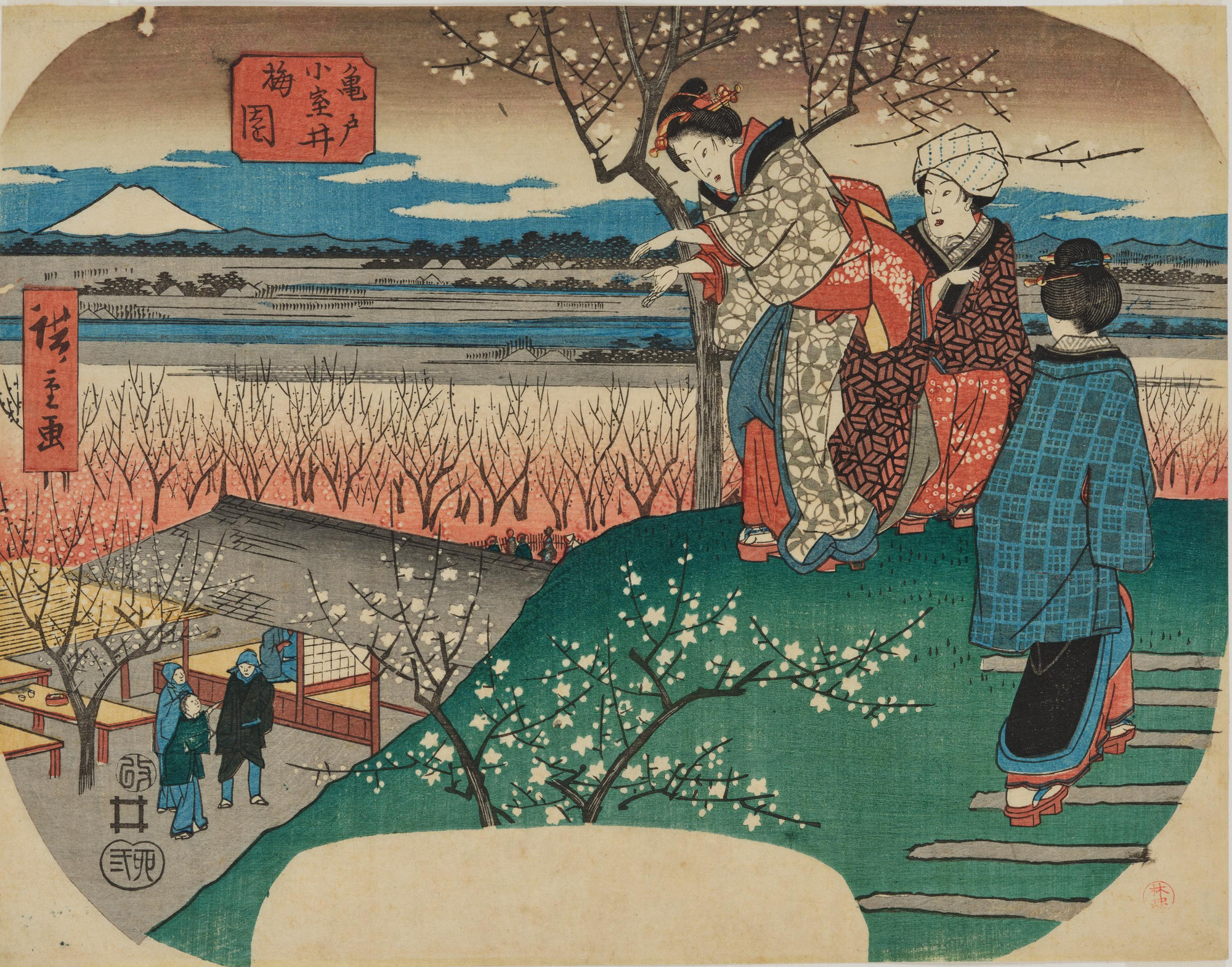
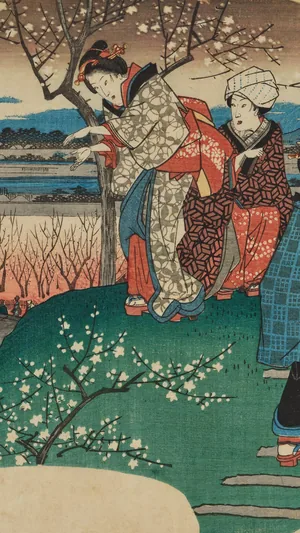
1. Plum Garden at Kameido — Utagawa Hiroshige
This woodblock print by Utagawa Hiroshige, dated 1855, shows the plum garden at Kameido, on the eastern edge of Edo (present-day Tokyo). In the Edo period the garden was a well-known place to visit in early spring, when crowds came to see its plum trees in flower, among them a famous old tree called the Sleeping Dragon Plum.
The print was made in the uchiwa-e format, a design meant to be pasted onto a flat, rigid fan. Many such prints were used until they wore out, so fewer of them survive than book or album prints. Like other nishiki-e, or full-colour woodblock prints, it was produced by carving a separate block for each colour and printing them one after another on the same sheet.
Hiroshige is admired for his views of famous places in and around Edo. He paid close attention to the season, the weather and the mood of a scene, and Kameido’s plum blossoms were a subject he returned to more than once.
| Title | Plum Garden at Kameido |
|---|---|
| Artist | By Utagawa Hiroshige (1797–1858) |
| Date | 江戸時代・安政2年(1855), Edo period, 1855 |
| Medium | 団扇絵判 錦絵 |
| Dimensions | 22.3×29.1cm |
| Collection | Tokyo National Museum, A-10569-3001 |
| Credit | Tokyo National Museum. Source: ColBase (https://colbase.nich.go.jp/). Wallpapers created by HIROSHIGE BLUE based on “ColBase” (https://colbase.nich.go.jp/collection_items/tnm/A-10569-3001). |
| Image source | Tokyo National Museum |
| License | CC BY 4.0 |
2. Argenteuil — Claude Monet
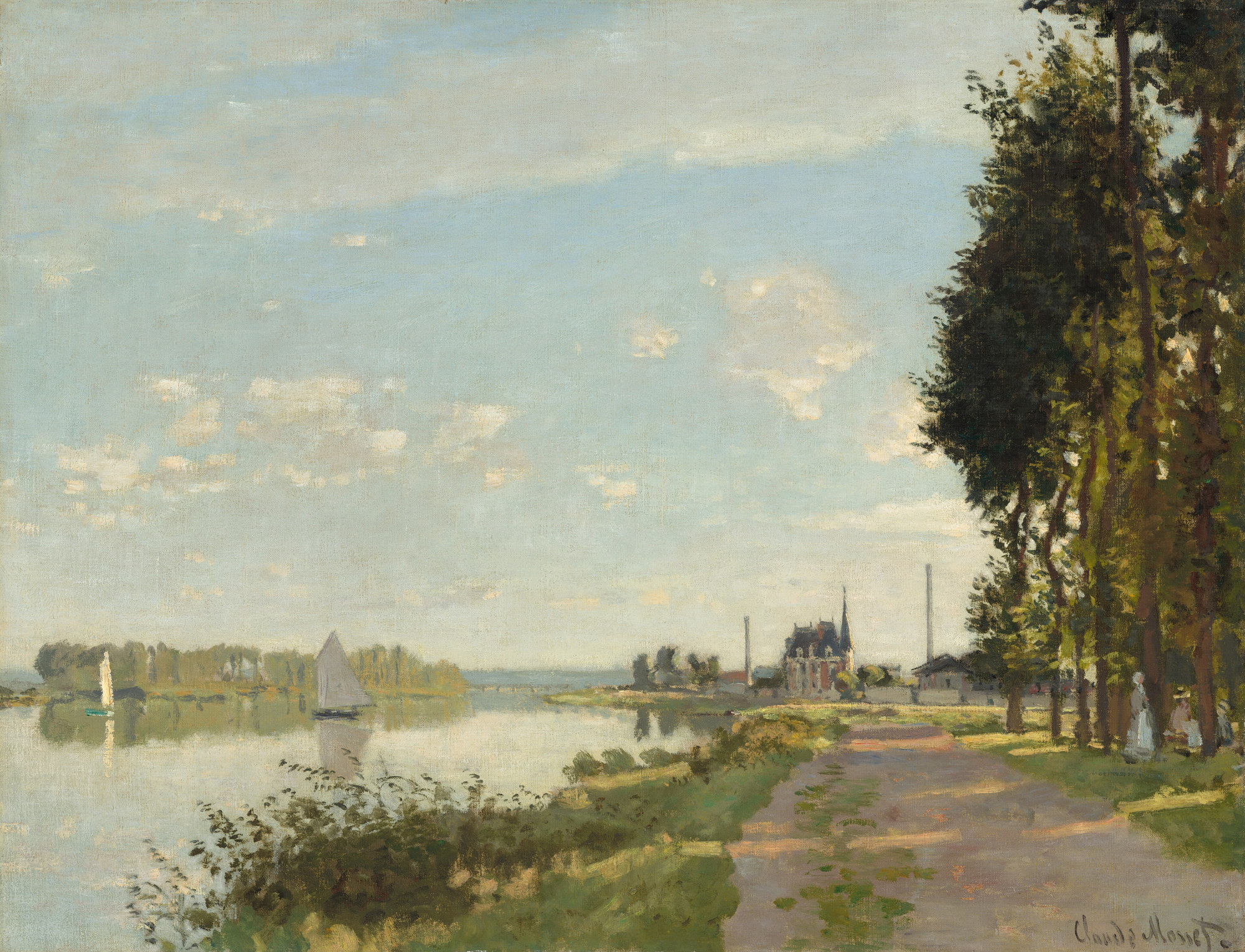
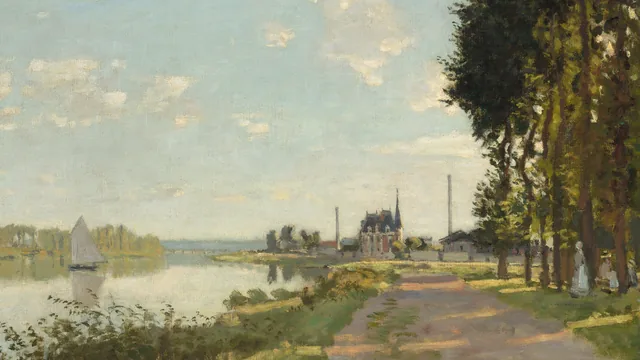
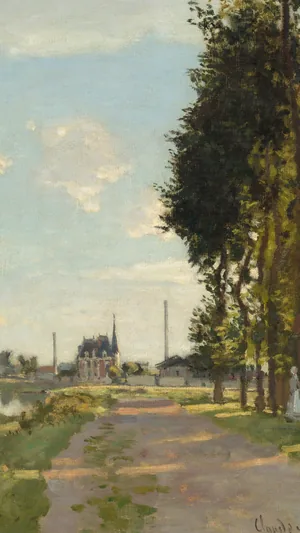
This painting shows Argenteuil, a small town on the river Seine a short train ride northwest of Paris. Claude Monet lived there from the end of 1871 until 1878. In those years the town was popular with Parisians who came out for the day to sail and stroll by the water. Here Monet paints the riverside landscape under a wide, open sky, with water, trees and buildings bathed in daylight.
Monet painted quickly and directly. He used short, visible brushstrokes and fresh, unblended colours, and he did not hide the marks of the brush. He wanted to catch how light and air look at a single moment, not to record every detail. Water, leaves and clouds are suggested with a few touches of paint, and the eye puts them together.
Monet’s years at Argenteuil are often seen as the heart of Impressionism. He made many views of the town and its river during this time, and they helped set the style that the movement became known for. This modest canvas shows that approach at an early and lively stage.
| Title | Argenteuil |
|---|---|
| Artist | Claude Monet, French, 1840 – 1926 |
| Date | c. 1872 |
| Medium | oil on canvas |
| Dimensions | overall: 50.4 x 65.2 cm (19 13/16 x 25 11/16 in.) framed: 70.8 x 85.7 x 8.3 cm (27 7/8 x 33 3/4 x 3 1/4 in.) |
| Collection | National Gallery of Art, Washington, 1970.17.42 |
| Credit | Ailsa Mellon Bruce Collection |
| Image source | National Gallery of Art, Washington |
| License | CC0 1.0 (NGA Open Access) |
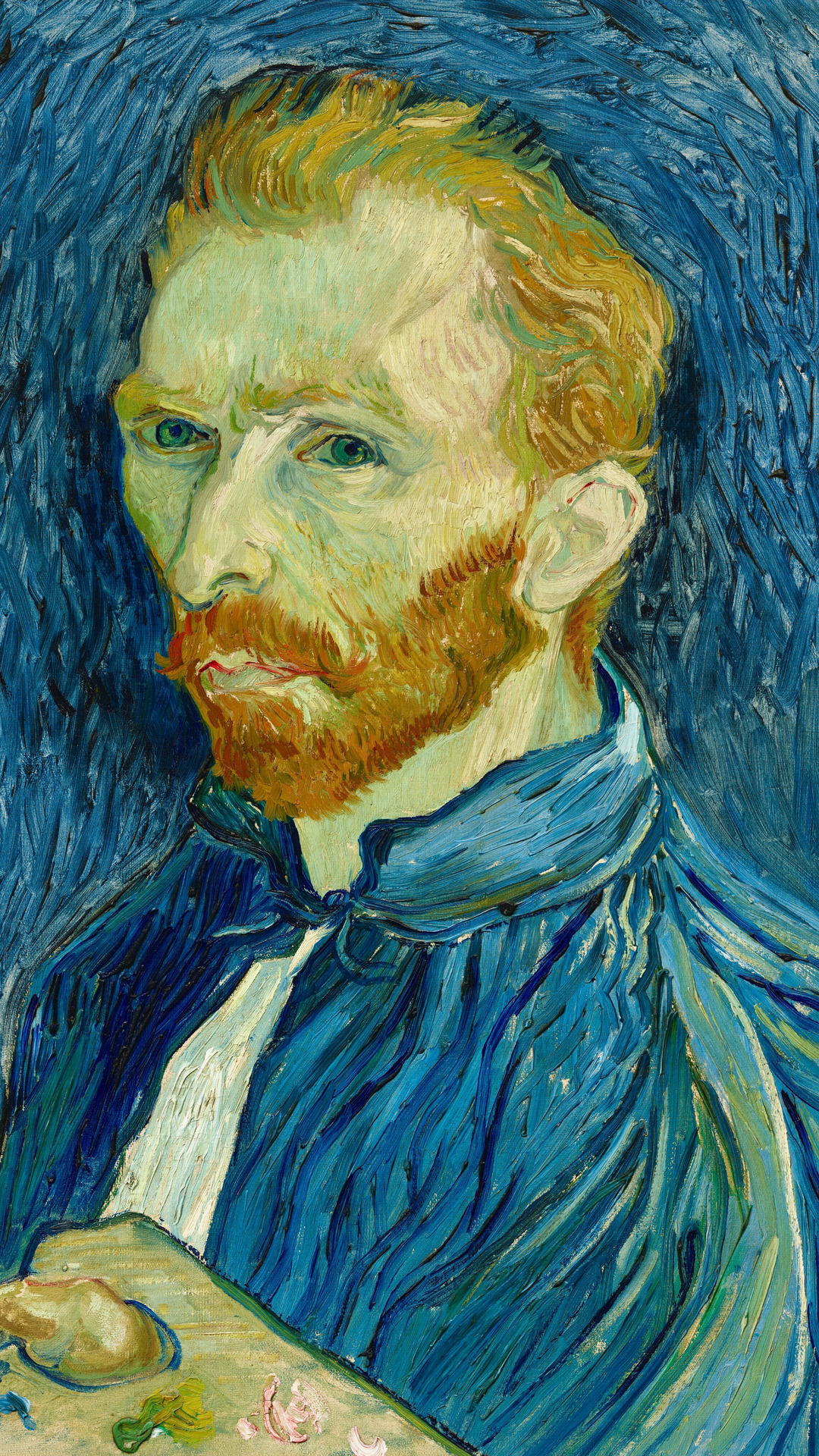
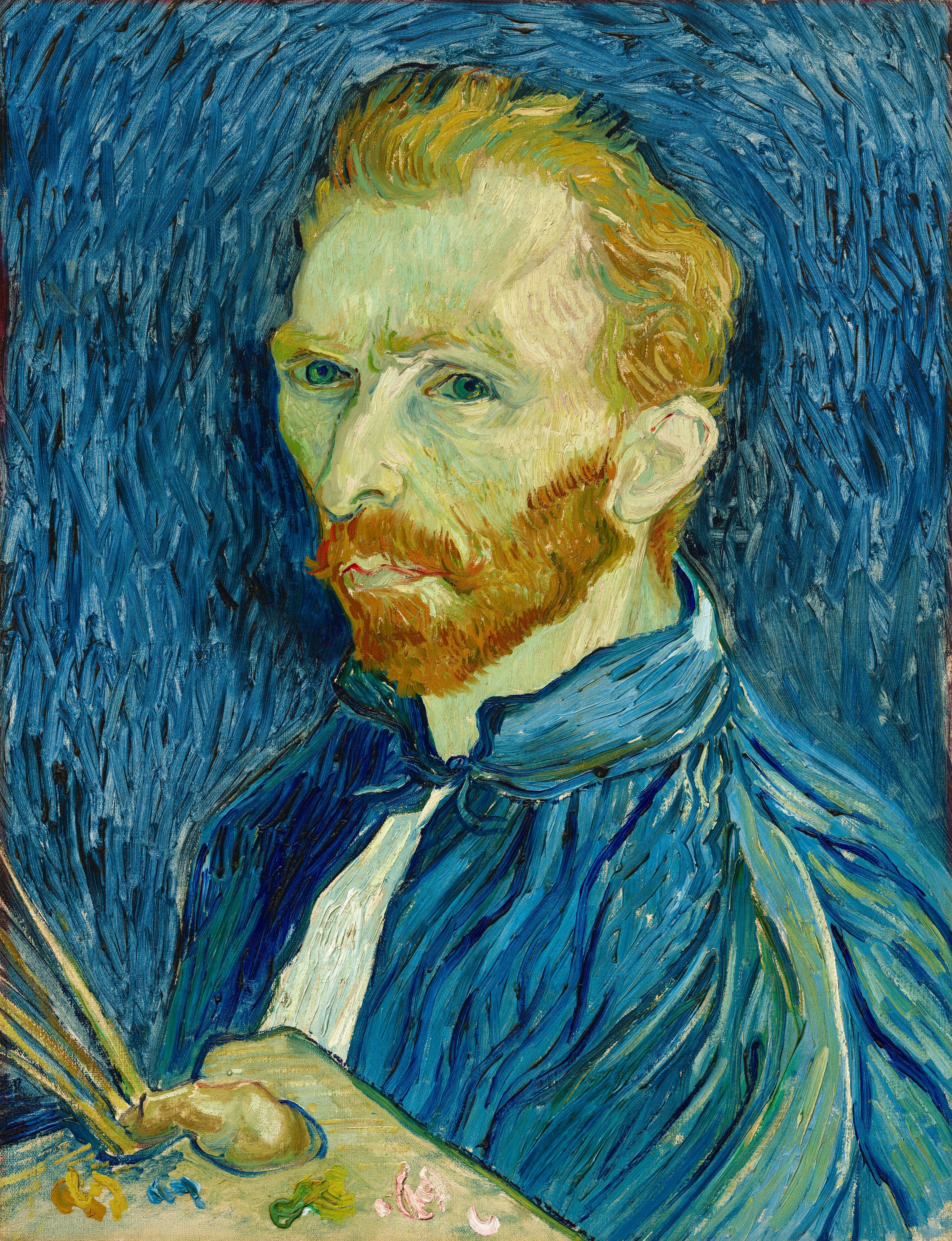
3. Self-Portrait — Vincent van Gogh
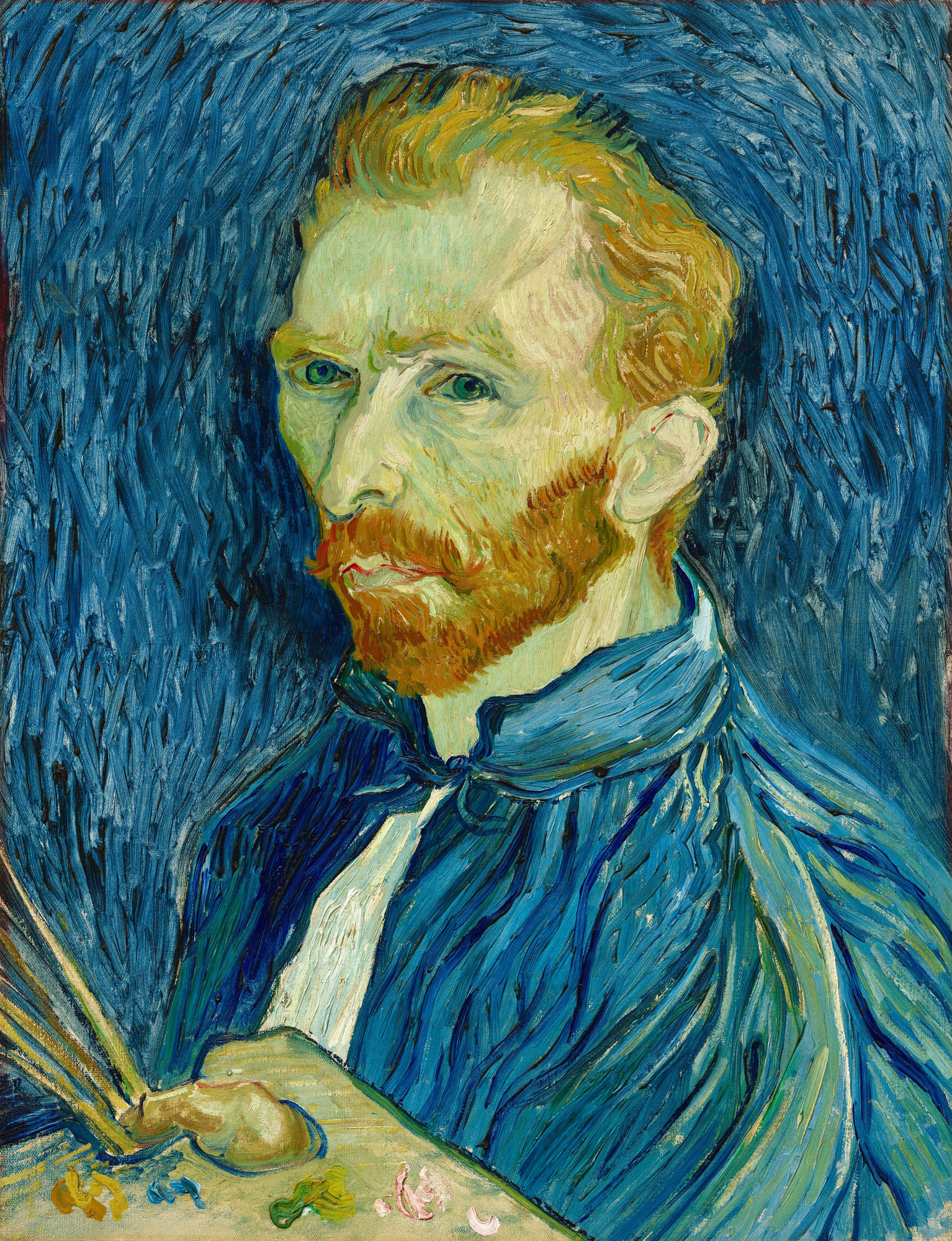
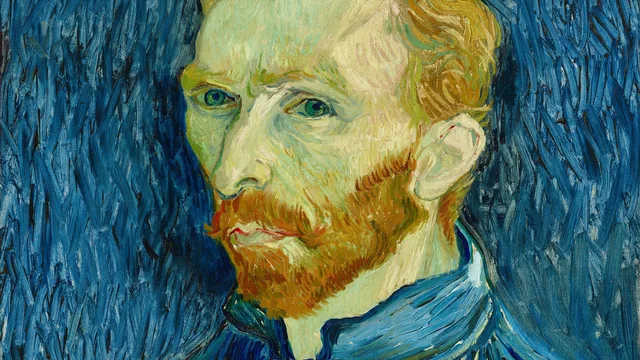
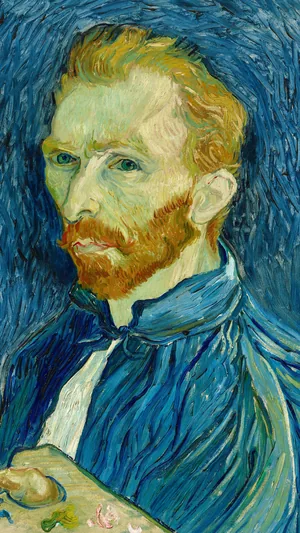
Vincent van Gogh painted this self-portrait in 1889, the year he spent at the asylum in Saint-Rémy in southern France. He shows himself half-length, turned slightly to one side, wearing a dark painter’s smock and holding a palette and brushes. His red-orange hair and beard stand out sharply against a deep blue background, and his gaze is steady and serious.
The paint is laid on in short, directional strokes that are easy to see on the surface. The strokes follow the forms of the face and clothing, so the brushwork itself builds the figure. Van Gogh set strong complementary colors side by side, orange against blue, to make each look more intense.
Van Gogh painted more than thirty self-portraits during his short career, partly because he could not always afford to pay models. This one is admired for its direct, unflinching presentation of the artist at work and for the expressive brushwork and bold color that made his late paintings so influential.
| Title | Self-Portrait |
|---|---|
| Artist | Vincent van Gogh, Dutch, 1853 – 1890 |
| Date | 1889 |
| Medium | oil on canvas |
| Dimensions | overall: 57.79 × 44.5 cm (22 3/4 × 17 1/2 in.) framed: 77.5 × 63.7 × 6.7 cm (30 1/2 × 25 1/16 × 2 5/8 in.) |
| Collection | National Gallery of Art, Washington, 1998.74.5 |
| Credit | Collection of Mr. and Mrs. John Hay Whitney |
| Image source | National Gallery of Art, Washington |
| License | CC0 1.0 (NGA Open Access) |